

Accessories determine how complete an order feels
Tips and rolling papers may seem small, but they can determine whether a cannabis order is practically complete. Those who roll or prepare their own produce quickly notice the difference between material that fits and material that is missing.
View the selection via buy smoking accessories or go to the existing accessory range.
First determine what you actually use
Not everyone needs the same accessories. Some buyers mainly use tips, while others focus on rolling papers or stick to a well-known brand. The best choice, therefore, starts with your own habits, not with the largest number of products.
That makes accessories easier to assess. You don't have to take everything; only what makes your order more practical.
Rolling papers differ subtly
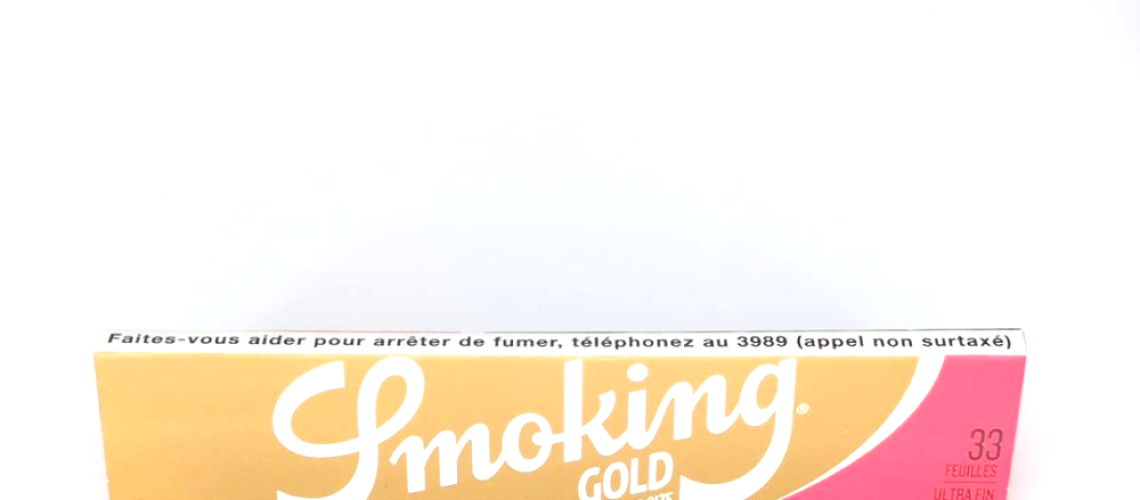
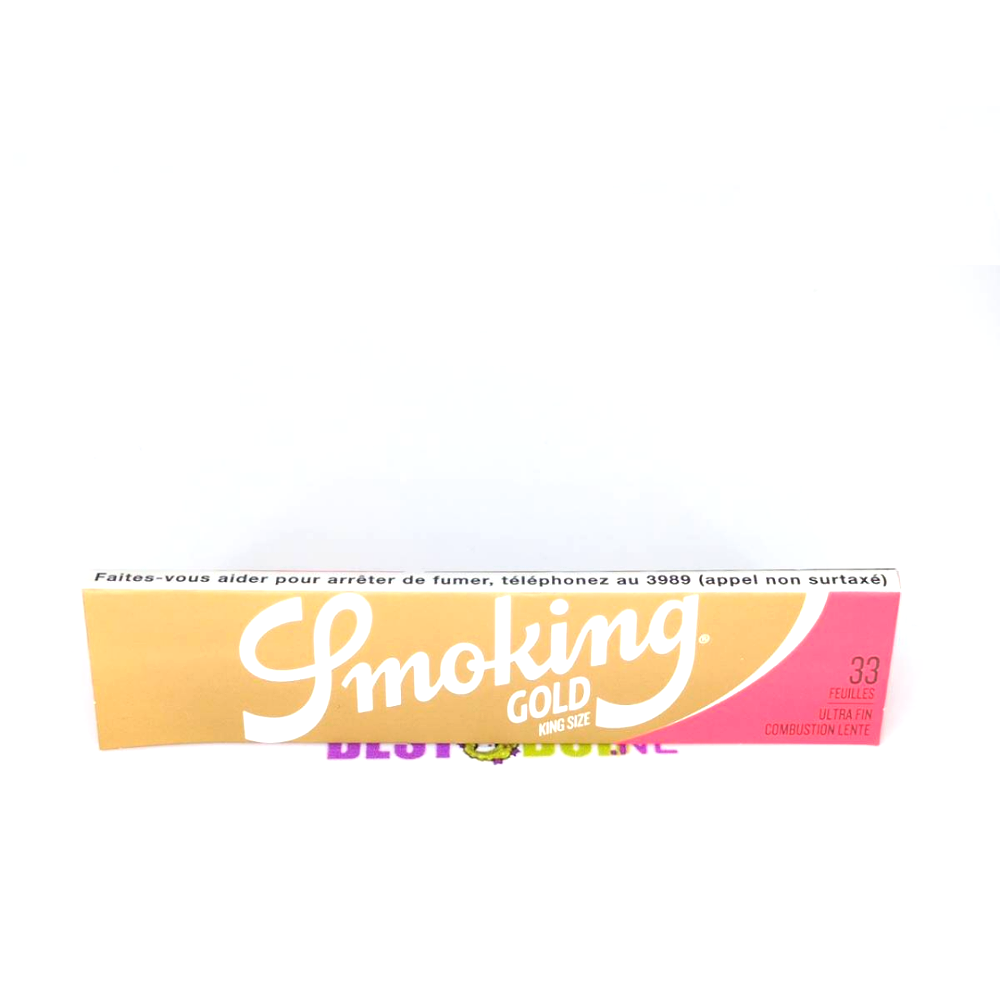
Smoking Blue, Brown, and Gold may look similar when viewed solely by the product type. However, material feel, thickness, packaging, and personal preference can differ. These details are small, but noticeable to regular users.
Therefore, read the product names and descriptions carefully. A trusted brand is helpful, but the chosen type must still fit.
Tips as a practical addition
Tips provide stability and make preparation neater. Especially those who frequently roll their own products will notice more quickly whether the tips work well. For buyers who primarily order pre-rolled products, tips are less necessary.
To add to the rest of your order, you can check what is available via the shop stock
A compact checklist
- Check if you need tips, rolling papers, or both.
- Compare material feel and size before choosing.
- Add accessories before finalizing the order.
- Do not order materials that you probably won't use.
This way, accessories remain useful instead of loose, purposeless extras.
Questions about tips and flow
Why order accessories at the same time?
Because then you immediately check if the rest of your order is practically usable.
Are more expensive papers always better?
Not automatically. Material feel and preference are more important than price alone.
When are tips useful?
Especially when you turn the wheel yourself and want more firmness or neatness.
Do I have to try all types of rolling papers?
No. Choose based on size, material, and what you already like.
Replenish stock without unnecessary extras
Accessories are useful when they fulfill a genuine need. They become less useful when they are added out of habit. A buyer who already has sufficient tips or rolling papers does not automatically need to order extra materials.
Therefore, start with a stock at home. Do you have any tips? Does the rolling paper size suit the products you use? Do you prefer working with a familiar paper, or do you want to try something different? Questions like these make the choice practical.
Smoking papers and Flamez Tips serve different functions. By keeping these functions separate, you avoid duplicate or unnecessary purchases. A small accessory can be handy, but only when it is actually used.
Anyone ordering multiple cannabis products can take accessories with them immediately. That is efficient, as long as the addition remains deliberate. The accessory should complete the order, not add unnecessary bulk.
This creates a compact addition that suits actual use. That is better than a shopping basket filled with all sorts of small products for no clear reason.
- Check your stock at home first.
- Only add materials that you use.
- Keep tips and fluid functionally separate.
- Let accessories complete the order, not fill it.
Accessories are particularly useful when they prevent problems. Running out of tips, using the wrong paper, or only noticing something missing after delivery makes an order less practical. Therefore, checking beforehand makes sense.
However, a buyer does not need to add everything. A good accessory selection is small and focused. If you mainly need tips, choose tips. If you want to replenish rolling papers, compare the paper types. More is not automatically better.
Smoking Blue, Brown, and Gold can differ depending on personal preference. Flamez Tips have a separate role. By not mixing these products, the choice remains clear.
Accessories do not deserve an excessively long decision-making process, but rather an honest check. What do you really use? What suits your preferences? What makes the order complete?
With those questions, the shopping basket becomes more practical without unnecessary extras.
- Prevent missing materials.
- Only add what is necessary.
- Compare papers and tips separately.
- Prioritizing practical utility over extra volume.
Accessories work best when they have a concrete function. Tips provide stability. Papers determine the feel of the material. These functions are different and therefore deserve separate choices.
A buyer who adds everything at once may end up with unused products later. A smaller addition is often better than a full shopping basket of extras.
So think practically: what is missing, what do you use often, and what material fits? That is enough to make a good choice.
- Specify the function per accessory.
- Avoid unused extras.
- Practical thinking before adding.
Accessories become clearest when linked to a single action. Tips help with sturdiness. Papers help with material and preparation. These concrete actions make the choice much simpler than just brand or color.
If you are hesitating between several papers, consider what worked well in the past. Reordering familiar material is often more logical than varying randomly. Variation makes most sense when you consciously want to try something different.
The same applies to tips. They are small, but they must fit the way you rotate. Otherwise, they get left behind or add little value.
- Link accessory to action.
- Deliberately repeat familiar material.
- Choose tips based on actual use.
When choosing accessories, also check if the product matches the rest of the order. Those who primarily choose edibles have less use for rolling papers. Those who choose flower or hash notice the absence of tips and papers more quickly. This coherence makes the choice more practical.
- Link accessories to selected products.
- Add only practically necessary materials.